Improve your sleep naturally with science-backed tips for deeper, more restful nights. Learn how to sleep better, fall asleep faster, and wake up feeling refreshed.How to sleep better: science-backed tips for deeper, more restful nights
You lie down in bed, hoping for a good night’s sleep… but your mind won’t quiet down. You scroll on your phone, change positions again and again, and when you finally fall asleep, it feels like only a few minutes pass before the alarm rings. You wake up thinking, “Why am I still so tired?”
If this feels familiar, you’re not alone. Many people assume that poor sleep is just part of a busy life, but the truth is: with a few science-backed changes, your nights can become deeper, and your mornings can feel lighter. In this guide, we’ll look at how to sleep better using simple, realistic tips that fit into everyday life — no extreme routines or expensive gadgets required.
Think of this as a gentle reset for your nights. By understanding how your body and brain work, you can create an evening rhythm that naturally leads to more restful sleep.
⏰ 1. Keep a consistent sleep schedule (even on weekends)
One of the most powerful, science-supported habits for better sleep is going to bed and waking up at roughly the same time every day. Your body has an internal clock, called the circadian rhythm, that regulates sleep, hormones, body temperature, and energy levels.
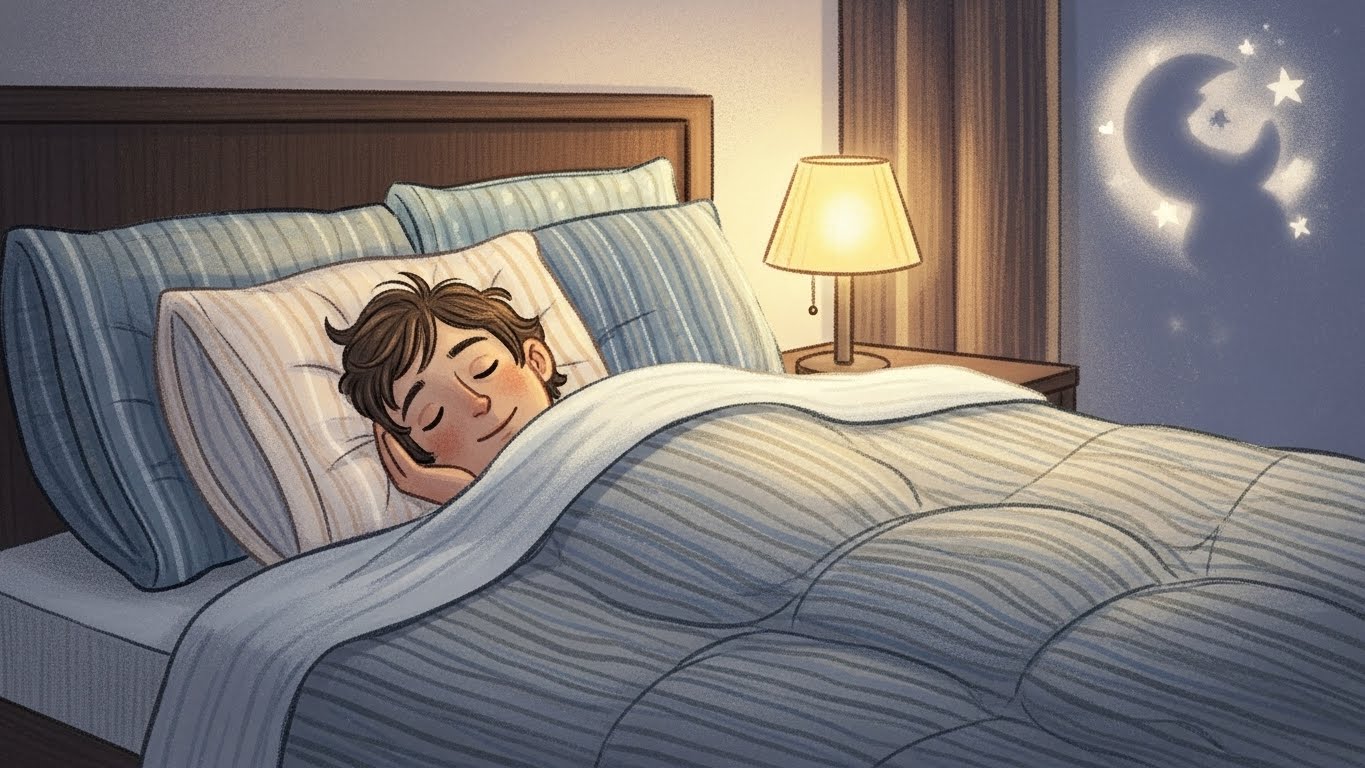
- Choose a realistic bedtime that you can keep most days of the week.
- Try to wake up at the same time, even on weekends or days off.
- Avoid big swings in your sleep schedule (e.g., staying up 3–4 hours later on weekends).
When your body knows when to expect sleep, it can prepare in advance — making it easier to fall asleep and stay asleep through the night.
🌤 2. Use light wisely: bright in the morning, dim in the evening
Light is one of the strongest signals for your internal clock. Bright light in the morning tells your brain, “It’s time to be awake,” while dim light in the evening signals that it’s time to wind down. Managing light exposure is a key step when learning how to sleep better.
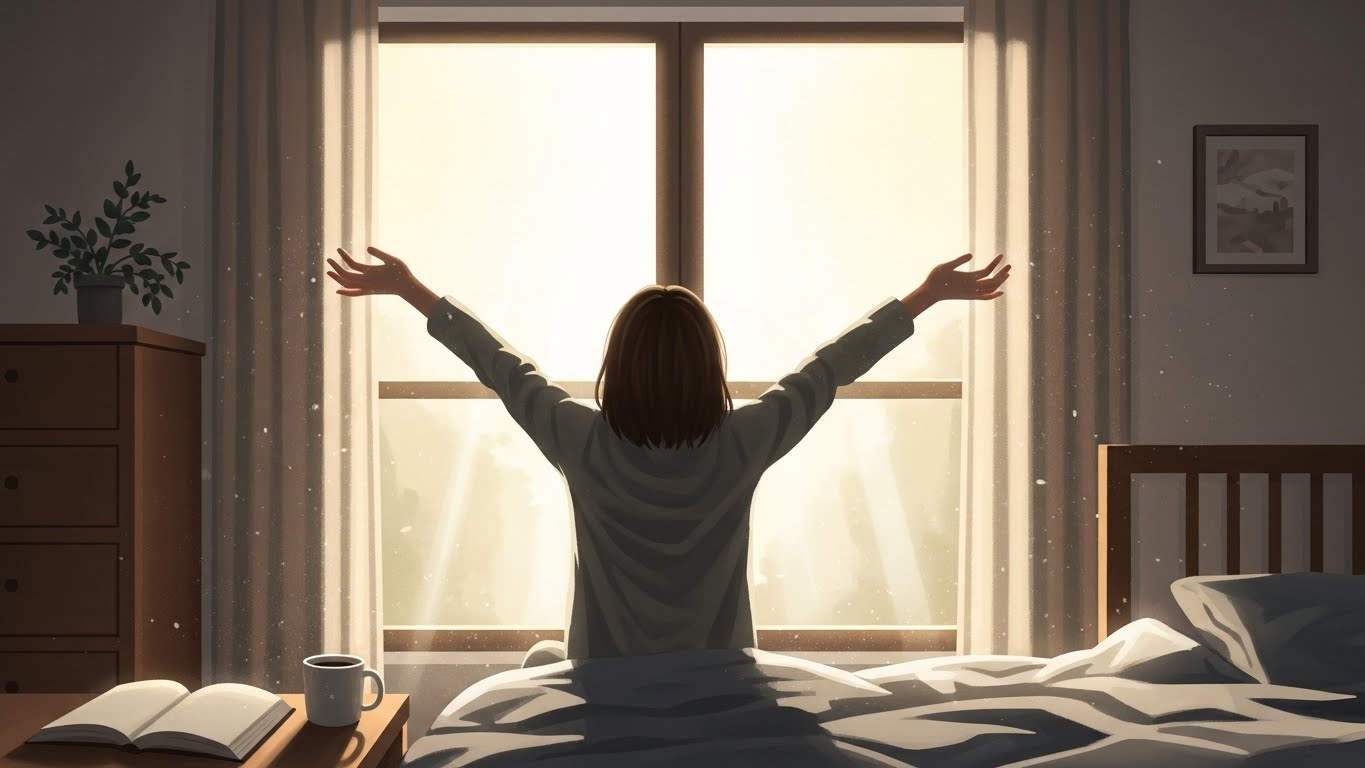
- Get natural light in the first 1–2 hours after waking (go outside or sit near a window).
- In the evening, lower the brightness of room lights 1–2 hours before bed.
- Reduce screen time close to bedtime, or use night mode / blue light filters if needed.
Small changes in light exposure can improve the timing of your sleep hormones, making it easier to fall asleep naturally.
🌙 3. Create a 30–60 minute wind-down routine
Many people try to go from “fully active” to “asleep” in just a few minutes — checking emails, watching intense shows, or working right until they close their eyes. Your brain, however, needs a transition period to shift from alertness to rest.
A wind-down routine doesn’t have to be complicated. The goal is simply to tell your body, “We’re slowing down now.”
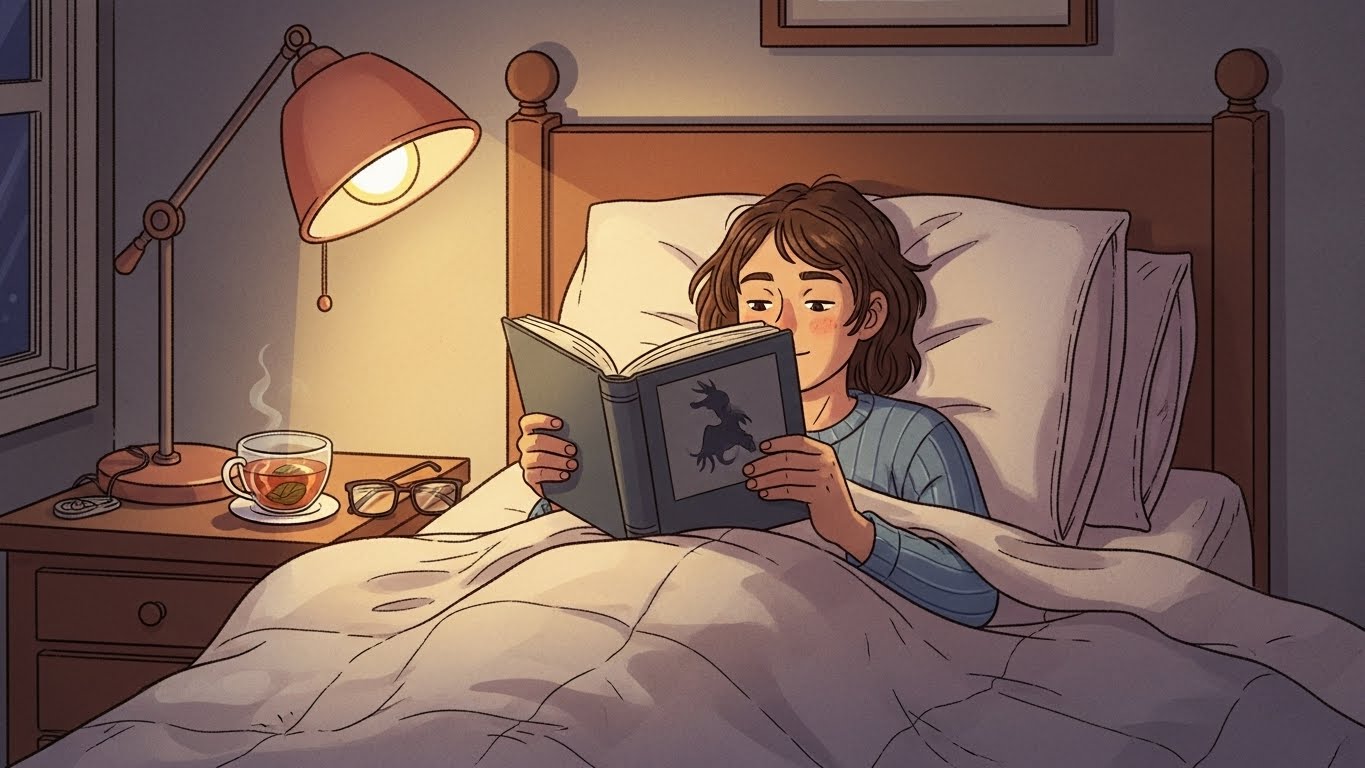
- Turn off strong lights and switch to softer lamps.
- Read a light book (nothing too emotional or stressful).
- Journal about your day or write down tomorrow’s to-do list so your mind can let go.
- Practice deep breathing or gentle stretching to relax your muscles.
Consistency is more important than perfection. Even 20 minutes of calm activities before bed can improve sleep quality over time.
🛏 4. Make your bedroom a “sleep-friendly” space
Your brain forms associations with places. If your bed is used for working, eating, or watching intense shows, your mind may stay alert instead of relaxing. A sleep-friendly environment helps your body understand that bed = rest.
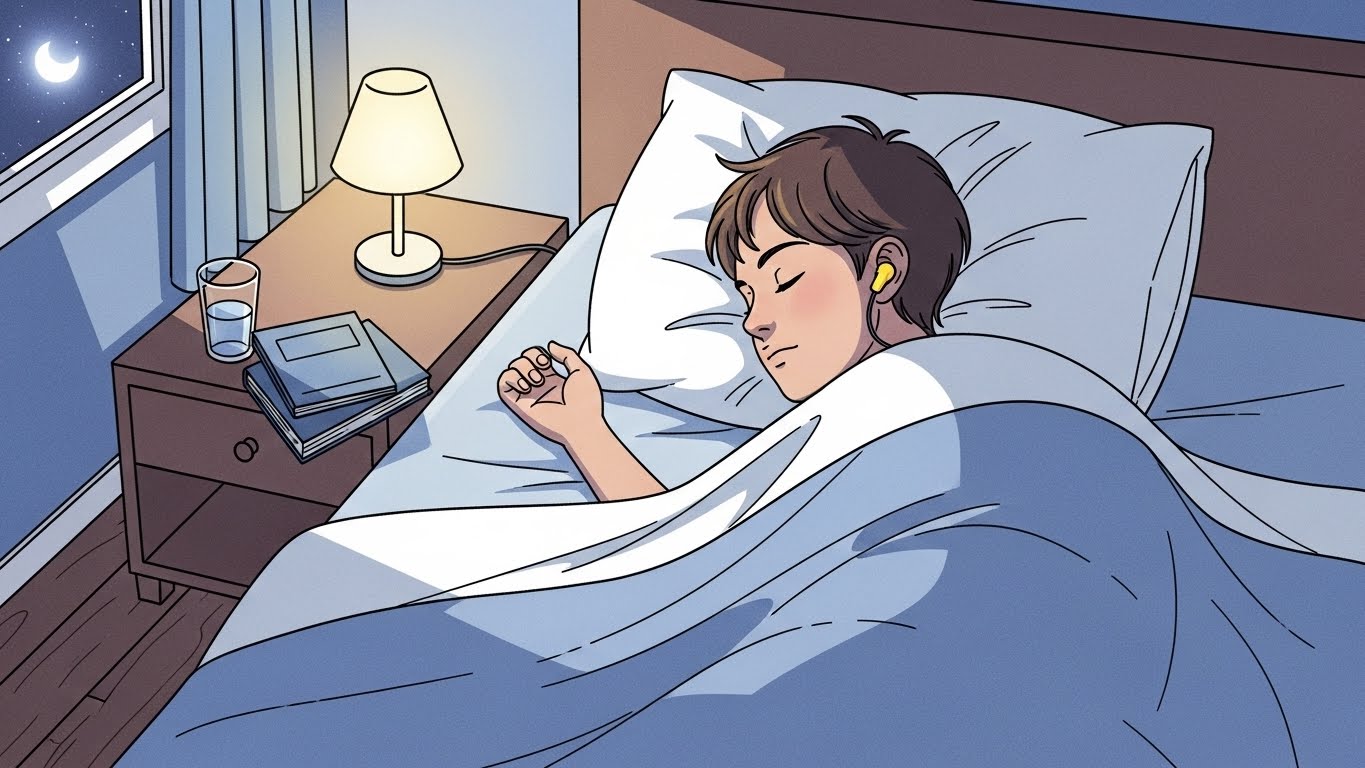
- Keep your bedroom cool, dark, and quiet if possible.
- Use comfortable bedding that feels good to your body.
- Remove unnecessary screens or work materials from the bed area.
- Consider earplugs or a white noise app if you live in a noisy area.
You don’t need a perfect room, but even small improvements in comfort and darkness can lead to deeper, more restful nights.
☕ 5. Be mindful with caffeine, alcohol, and late-night eating
What you consume during the day can show up in your sleep at night. Some habits may feel relaxing in the moment but actually disrupt the depth and quality of your sleep.

- Caffeine: Try to avoid coffee, energy drinks, or strong tea in the late afternoon and evening.
- Alcohol: Alcohol may make you feel sleepy at first, but it can fragment your sleep and reduce deep sleep.
- Heavy meals: Large, greasy, or spicy meals late at night can cause discomfort and make it harder to sleep.
If you want a small evening snack, choose something light and easy to digest, such as a banana, yogurt, or a few nuts.
🧠 6. Calm your mind: deal with stress before you get into bed
One of the most common reasons people struggle to sleep is not the body, but the mind. Racing thoughts, worries, and replaying the day’s events can keep you awake long after you lie down.
Instead of fighting your thoughts, give them a place to go before you get into bed.
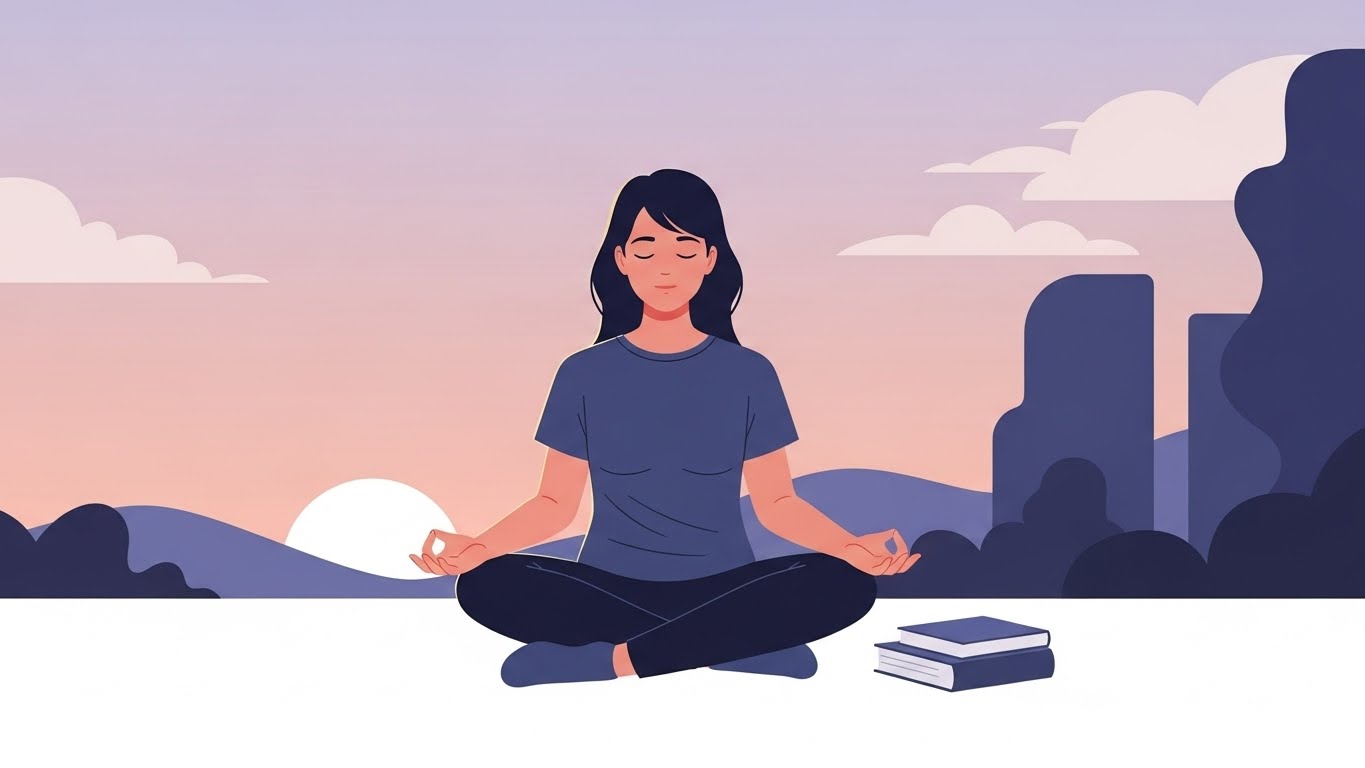
- Spend a few minutes journaling your worries and possible next steps.
- Write a “brain dump” list to clear your mind of random thoughts.
- Try a short guided meditation or breathing exercise to slow your heart rate.
Training your mind to relax is a gradual process, but each night you practice, you’re teaching your brain that bedtime is a safe time to rest, not to problem-solve.
🩺 7. Know when it’s time to talk to a professional
If you’ve tried improving your sleep habits and still struggle for weeks or months, it may be helpful to speak with a doctor or sleep specialist. Conditions like insomnia, sleep apnea, or anxiety-related sleep problems are common — and they are not a personal failure.

- You regularly take more than 30–60 minutes to fall asleep.
- You wake up many times during the night and can’t return to sleep.
- You snore heavily, stop breathing briefly, or wake up gasping.
- You feel exhausted during the day despite spending enough hours in bed.
Getting support is a strong and smart step. Sometimes better sleep comes from both lifestyle changes and medical guidance together.
🌟 Final thoughts on how to sleep better
Learning how to sleep better is less about chasing perfection and more about making steady, kind adjustments to your daily routine. By respecting your body’s internal clock, managing light, creating a calming wind-down, and taking care of both your body and mind, you give yourself a much better chance at deeper, more restful nights.
You don’t have to fix everything at once. Choose one or two tips from this guide and try them for a week. Notice how your body responds. Over time, these small habits can transform your nights — and the way you feel every morning.