Leg Cramps at Night: Why It Happens and What Helps
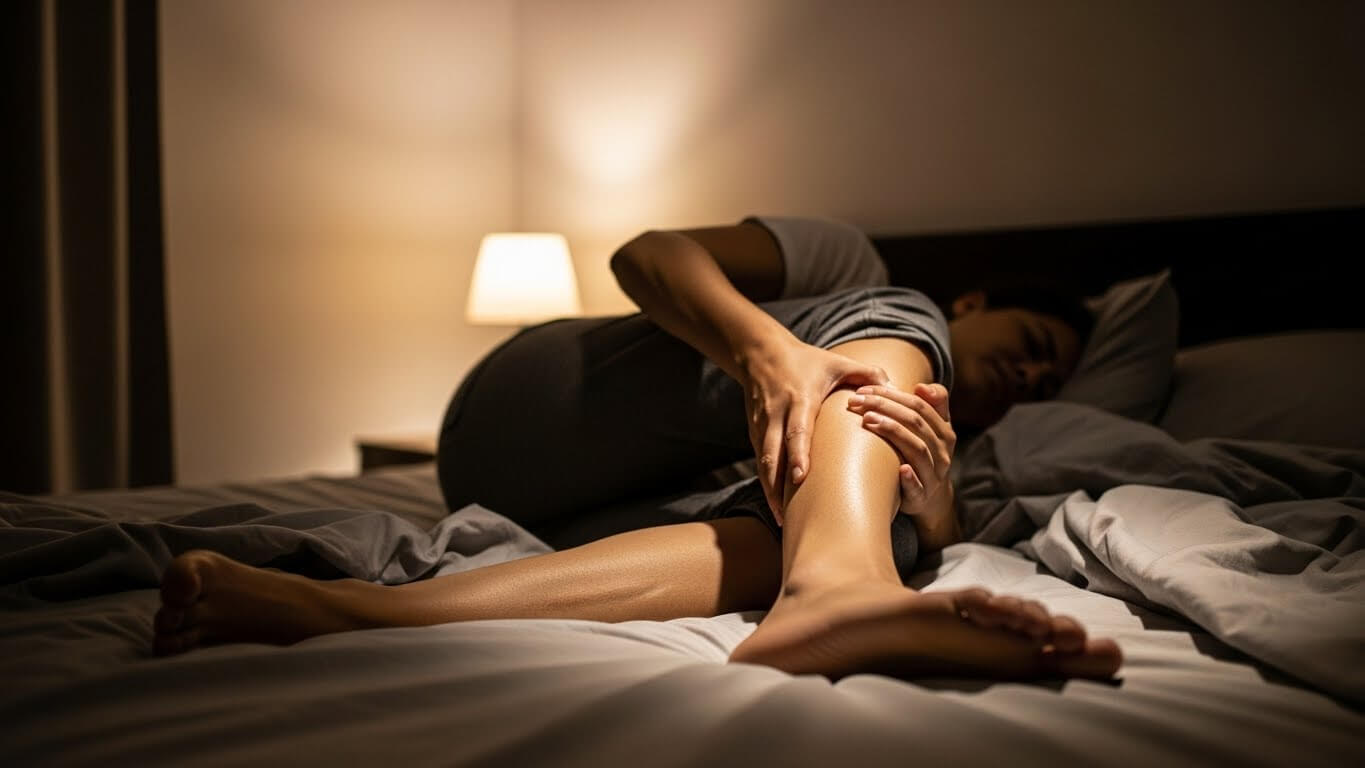
Waking up with a sudden, painful leg cramp can feel scary and exhausting. The good news is that leg cramps at night are very common and often linked to everyday factors like muscle fatigue, hydration, posture, and circulation. In this guide, you’ll learn the most common causes and simple, practical ways to reduce cramps over time.
This article is for general educational and lifestyle purposes only. It does not provide medical diagnosis or treatment. If cramps are severe, frequent, or come with swelling, redness, weakness, or chest pain, please seek professional medical help.
1. What Night Leg Cramps Feel Like (and Why They Wake You Up)
Night leg cramps usually happen suddenly. You may be sleeping normally, then wake up with a tight, painful knot in your calf, foot, or sometimes your thigh. The muscle can feel hard and “stuck,” and it may take a few minutes to relax.
Many people describe it as a strong pulling pain that makes it difficult to move. Even after the cramp stops, the area can feel sore the next morning. This is common, because the muscle has been contracted strongly for a short period.
2. Common Causes: Muscles, Hydration, and Daily Habits
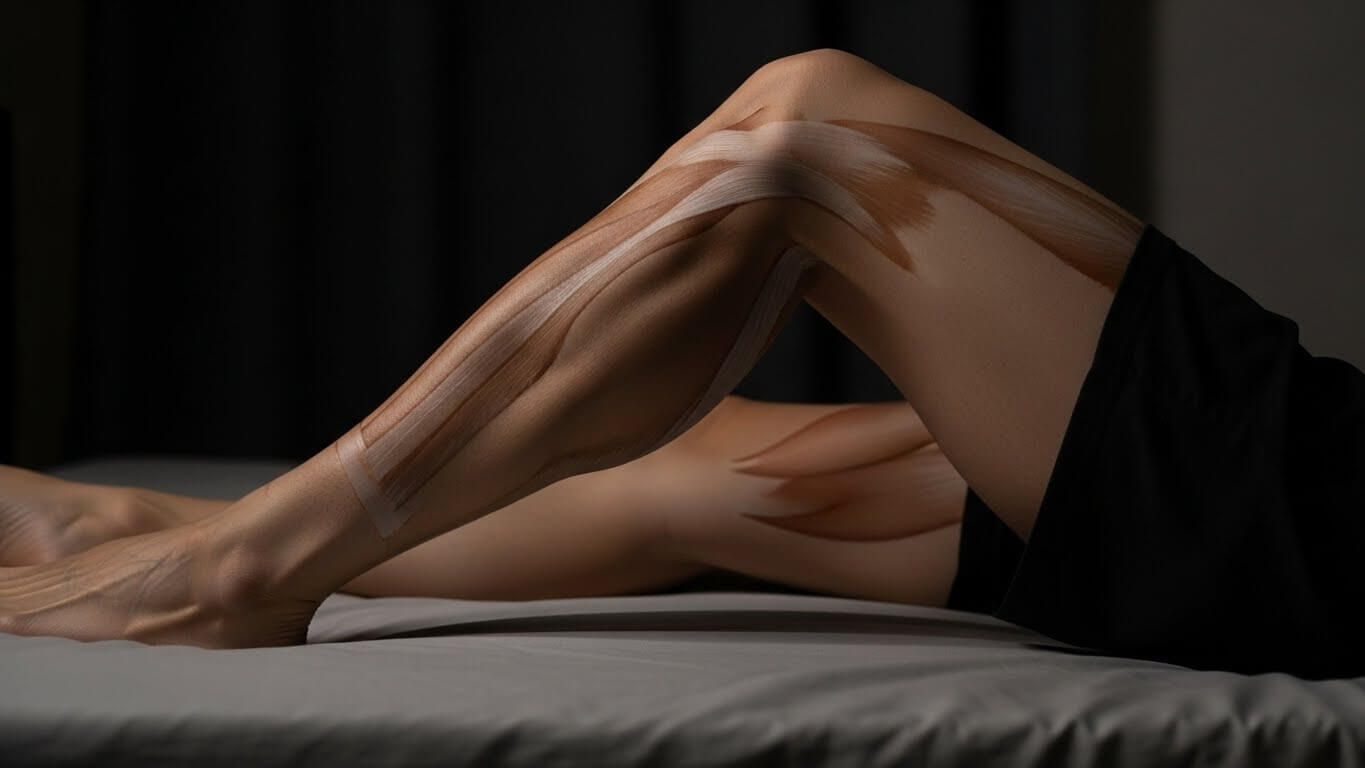
There is rarely one single reason. In most cases, night cramps are related to a combination of muscle fatigue and everyday habits.
Muscle fatigue (more common than you think)
Long walking days, standing work, intense exercise, or even sitting in one position for too long can leave the leg muscles tired. When tired muscles finally relax at night, they may cramp more easily.
Low hydration (especially after a busy day)
If you didn’t drink enough water during the day, muscles may become more sensitive. Many people also notice cramps more often after sweating, drinking alcohol, or having a lot of coffee without enough water.
Mineral balance and irregular meals
A balanced diet supports normal muscle function. If meals are inconsistent or you feel low energy, cramps may become more noticeable. This does not mean you need supplements—often, basic routines help.
3. Sleep Position and Circulation: Small Details That Matter
Your sleep position can affect how relaxed your leg muscles are overnight. For example, sleeping with your feet pointed downward (toes away from you) can keep the calf muscle slightly shortened. In some people, this may increase the chance of cramping.
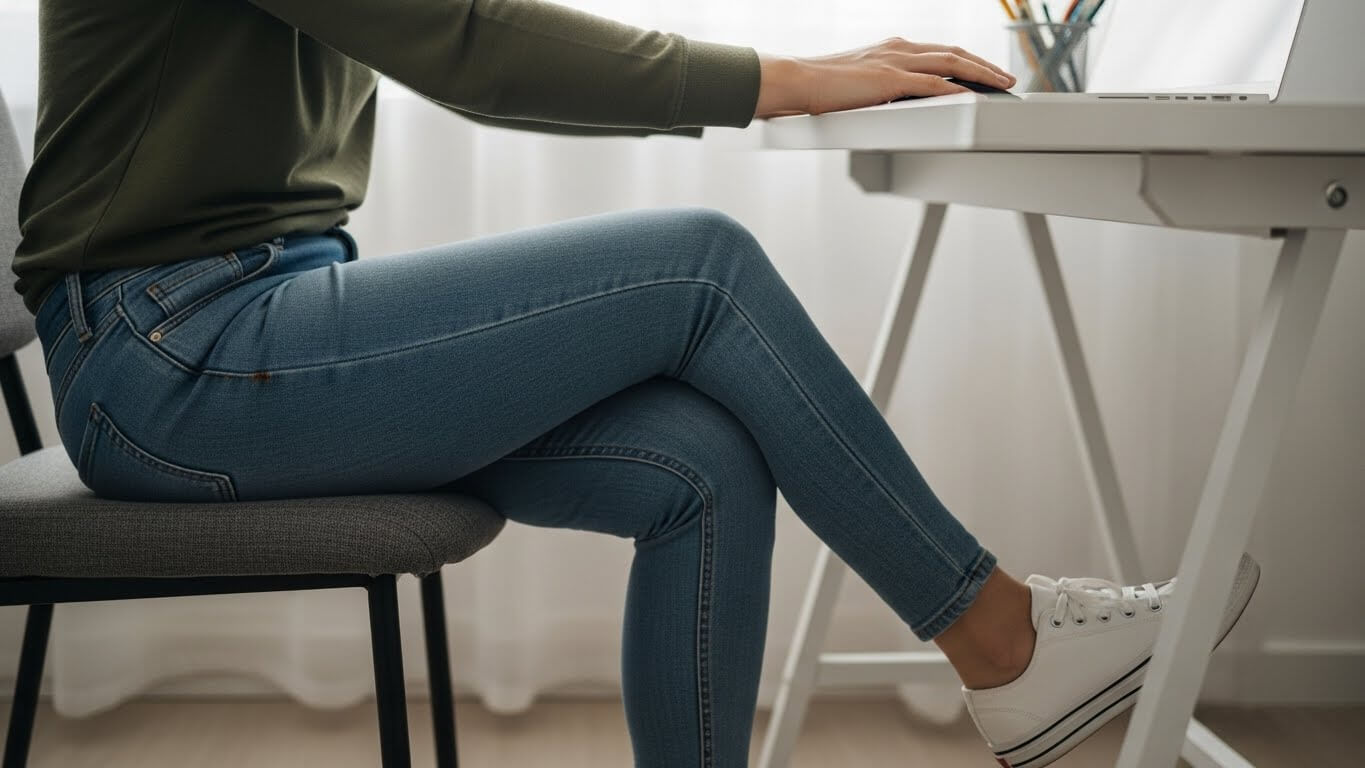
Circulation can also play a role. If you sit all day and move very little, your legs may feel heavier at night. Gentle movement in the evening can help your body “reset” before sleep.
4. What Helps: Simple Prevention Tips You Can Try Tonight
If you get leg cramps at night, you don’t need a complicated routine. Start with small, consistent habits. Many people notice improvement within a few weeks.
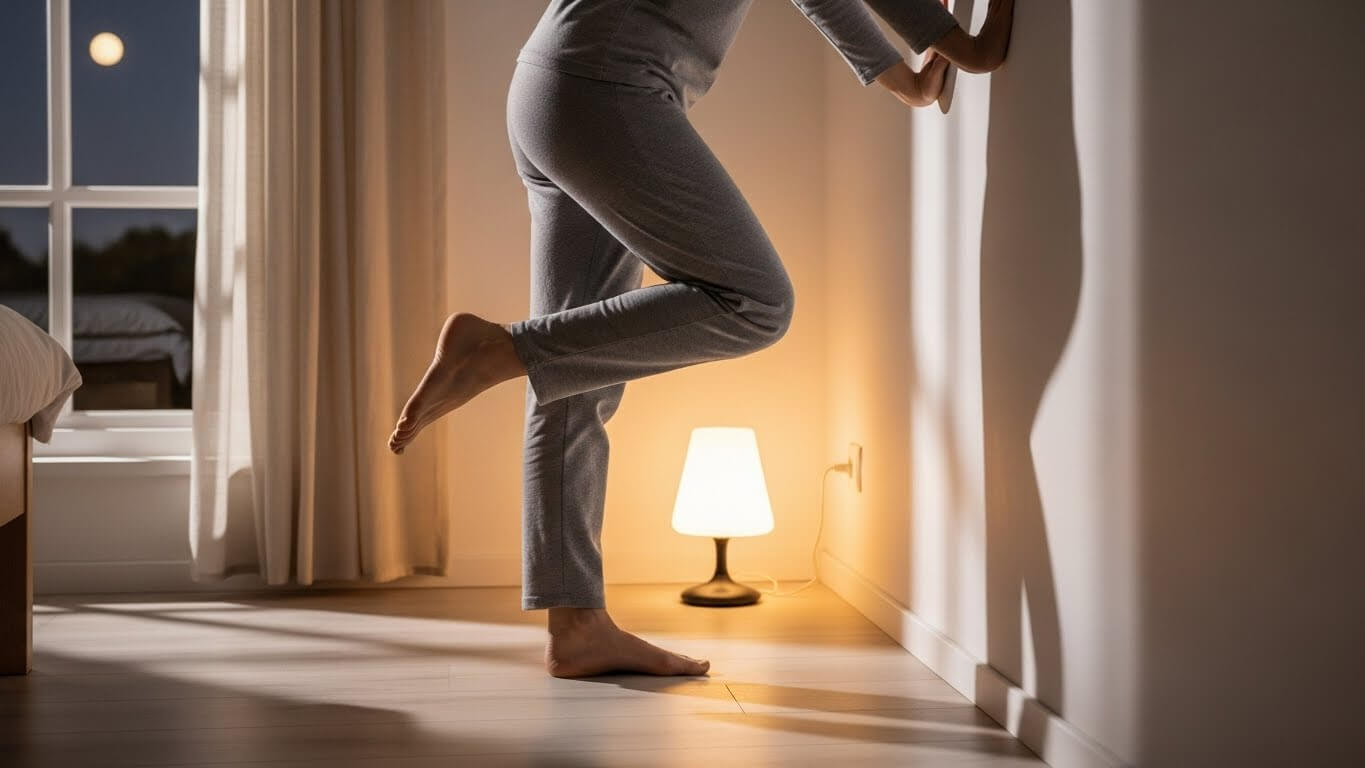
- Gentle calf stretch (30–60 seconds) before bed, especially after long walking or standing days.
- Short evening walk (5–10 minutes) to reduce stiffness and support circulation.
- Drink water earlier in the day and avoid going to bed dehydrated.
- Warm shower or warm towel on calves to help muscles relax.
- Check your sleep posture: try to keep feet in a more neutral position (not strongly pointed down).
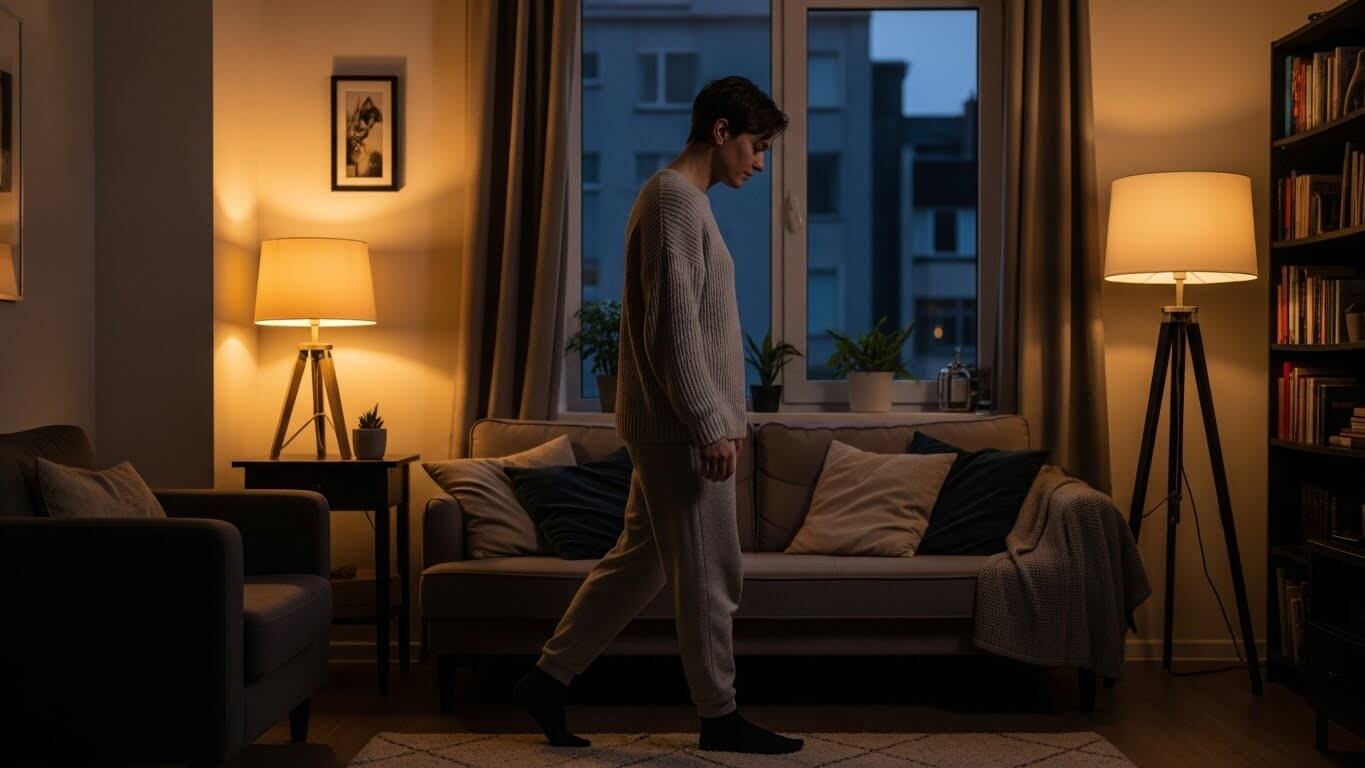
1) Gently pull your toes upward toward your shin (calf stretch).
2) Massage the tight area slowly.
3) Stand and walk carefully for 20–30 seconds if possible.
4) Apply warmth after the pain eases.
5. When to Pay Attention and Seek Help
Most night leg cramps are not dangerous. However, it is important to seek medical advice if cramps are very frequent, extremely painful, or come with other symptoms.
- Swelling, redness, or warmth in one leg
- Sudden weakness or numbness
- Chest pain or shortness of breath
- Cramps that keep getting worse over time
If you are pregnant, have chronic health conditions, or take medications that affect fluids, it’s also a good idea to ask a professional for guidance.
Final Thoughts: Better Nights Start with Small Habits
Night leg cramps are frustrating, but in many cases they can be reduced with simple lifestyle changes. A little stretching, steady hydration, and gentle movement often make the biggest difference.
If your cramps are frequent or come with warning signs, don’t ignore them. Understanding your pattern—and getting help when needed—is the safest approach.
'건강정보' 카테고리의 다른 글
| 오메가3 효능 총정리 먹는시간 언제가 좋을까? 아침·저녁 정확히 알려드립니다 (0) | 2025.12.15 |
|---|---|
| 콜레스테롤 낮추는 방법 총정리! 콜레스테롤 높으면 나타나는 증상, 이렇게 확인하세요 (0) | 2025.12.15 |
| Cold Hands and Feet: Causes You Should Know (0) | 2025.12.15 |
| 허리 통증, 수술 없이 잡는다! 집에서 5분 투자 ‘코어 근육 활성화’ 운동법 (0) | 2025.12.06 |
| 당뇨 전단계도 안심! 혈당 낮추는 슈퍼푸드 5가지와 섭취 타이밍 (1) | 2025.12.06 |


